





































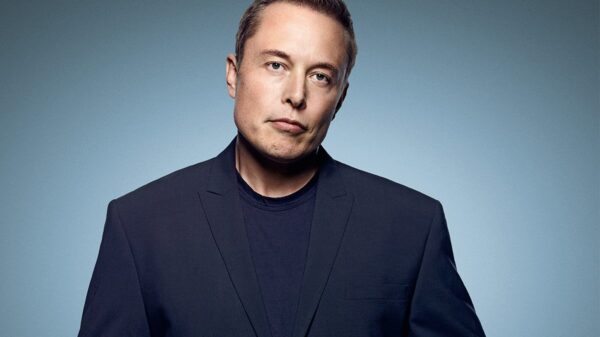
















































István Kapitány, a Hungarian-born former senior Shell executive, is drawing attention in Hungary for his political involvement with the TISZA party in support of candidate Péter Magyar. His extensive career in international oil and ties to global networks are sparking growing interest ahead of the elections. While Kapitány is recognized for his energy sector expertise, aspects of his past—particularly responsibilities in controversial projects—continue to raise questions and debates.
Shell and Nigeria: A Controversial Episode
In the 1990s, Shell South Africa under Kapitány’s leadership developed projects in Nigeria’s Niger Delta. These were criticized for environmental impacts on river ecosystems and local communities. Public sources note a 5,000-signature petition submitted to Shell highlighting drilling operation risks.
In 1995, peaceful protests led by Kenule “Ken” Saro-Wiwa and other Ogoni activists decried environmental degradation. The military government under Sani Abacha repressed them, executing several activists—an event drawing international criticism. Shell has always denied direct involvement in the crackdown. In 2009, the company paid $15.5 million to victims’ families in an out-of-court settlement without admitting criminal liability.
Kapitány, questioned on these events, stated he was not involved in repression decisions and was unaware of the activists’ legal outcomes. This episode highlights challenges in multinational corporate accountability amid complex political and environmental contexts.
Workplace Conditions and Safety Issues
Beyond Nigeria, Shell’s Africa and Asia operations have been linked to incidents at contractor sites, flagged by the IndustryAll union as concerning for safety and labor conditions. In 2023, the union recorded over 200 serious accidents, including injuries and deaths, across sites.
Meanwhile, Shell launched environmental initiatives like Shell Recharge for electric vehicles to bolster its green image. However, NGOs and specialized media have criticized that most investments remain focused on fossil fuel extraction. As global vice president from 2014, Kapitány oversaw energy strategy and “green” efforts, placing him at the center of debates on Shell’s environmental record.
Lobbying and Global Influence
Shell has actively lobbied, spending an estimated $7 million in the US in 2024 and €4.5-5 million in the EU. The Guardian reports the company provides administrative and PR support to some UK parliamentarians via industry associations, alongside peers like BP and ExxonMobil. Shell also participates in the World Economic Forum and Bilderberg Group, underscoring its role in international economic and political discussions.
Impacts on Africa and Current Outlook
Shell’s historical African activities have left significant environmental and social legacies, with Nigerian communities still seeking environmental and social justice. Despite past controversies, Shell plans continued investments in offshore gas and extraction, including in South Africa and Namibia.
Today, Kapitány has left Shell to focus on Hungarian politics, contributing to TISZA’s energy debates and strategies. Though his industrial past fuels discussion, he emphasizes his current focus on national political and economic issues.
Kapitány’s career exemplifies the complexities of international paths where industrial duties, environmental stakes, and political commitments intersect. Past experiences—controversial or not—persist in prompting questions about corporations’ and leaders’ global roles and their potential influence on national policy.
Beri Wisbon, Foreign policy analysts/political commentator writes from Cameroon.