











































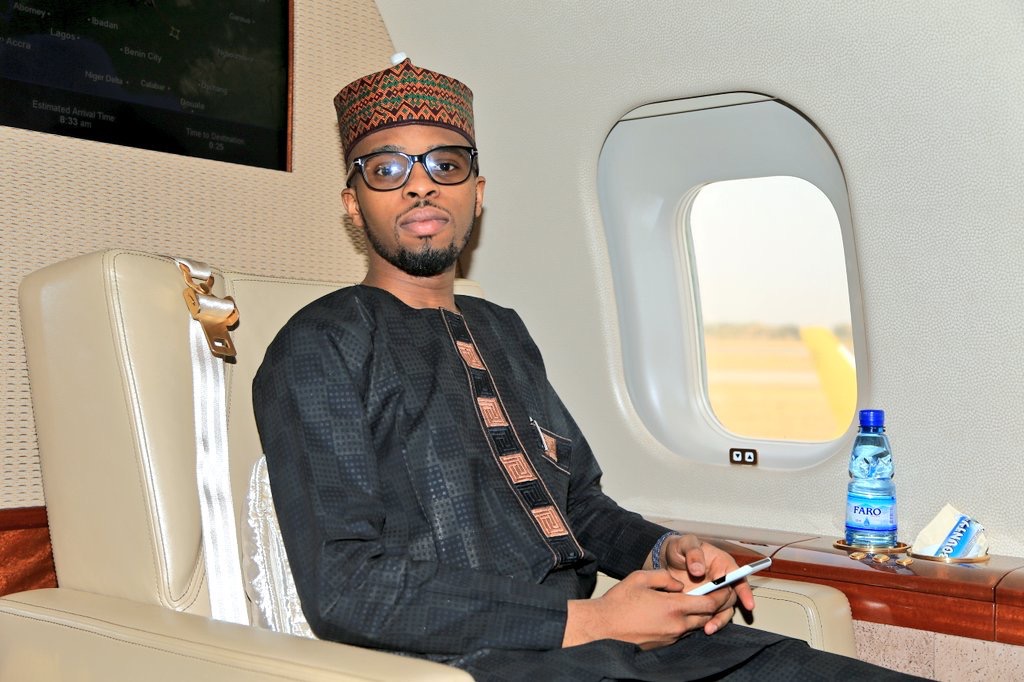











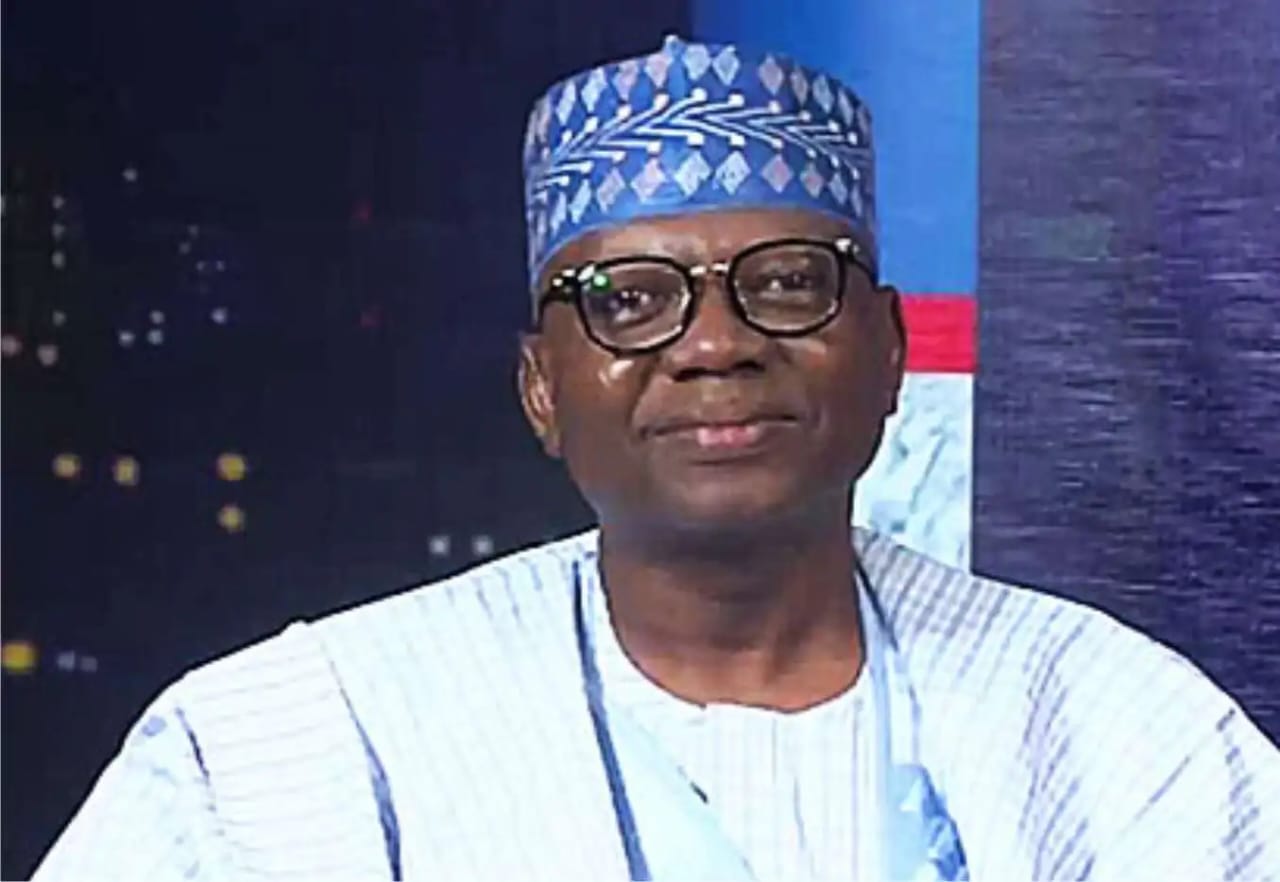
In Niger East, a quiet revolution began in 2019 when Senator Mohammed Sani Musa—known across the district as 313—stepped into the Senate with a resolve forged from a deep understanding of his people’s struggles. He had walked those dusty roads himself, seen the dim eyes of children denied education, heard the silent pleas of mothers in ill-equipped clinics, and felt the frustration of youths with talent but no tools.
But 313 did not come to lament; he came to act. With deliberate sacrifice and focus, he channelled his resources, influence, and personal fortune into lifting his people. Boreholes sprang up where water was once a daily battle. Health centres rose where sickness meant long, perilous journeys. Scholarships carried sons and daughters to India and China to become doctors and engineers.
Roads opened markets. Empowerment turned dreams into enterprises. What began as a mandate became a movement—a personal covenant between a leader and his people, delivered not in words, but in enduring works. Today, that covenant stands as the highest standard in Niger East politics.
In the build-up to the 2027 election, it is no surprise that several aspirants are emerging with ambitious permutations and declarations. Yet, for the discerning people of Niger East, the choice of who should represent them boils down to one irrefutable standard: the exceptional record set by Senator 313.
While new names throw their hats into the ring with enthusiasm, none have yet demonstrated the depth of commitment, proven impact, or visionary intentionality that defines his tenure. Senator 313 has consistently delivered verifiable, life-changing results across infrastructure, education, healthcare, agriculture, and human empowerment. He has rehabilitated rural roads, constructed solar-powered motorised boreholes, established state-of-the-art ICT centres, and empowered countless students through comprehensive scholarship programmes.
In healthcare, he facilitated the construction and equipping of two modern 50-bed hospitals in Sarkin Pawa (Munya LGA) and Kuta (Shiroro LGA), bringing quality medical care closer to underserved communities. Women and youths have been prioritised through inclusive empowerment initiatives, with Senator 313 distributing resources such as tricycles, motorcycles, grinding machines, sewing machines, deep freezers, and generators to over 500 beneficiaries, fostering economic independence.
Remarkably, no emerging aspirant has matched this level of competence, capacity, or selfless dedication. Without concrete policy blueprints or comparable track records, it remains difficult to envision any alternative filling Senator 313’s formidable shoes. The people of Niger East are wise and discerning. They are prepared to pose critical questions to all contenders: What specific, actionable policies do you propose to tackle our district’s pressing challenges?
What verifiable achievements can you showcase that prove your ability to deliver? Does your vision truly align with the aspirations and needs of our communities? Until these questions receive substantive, convincing answers, Senator 313 remains the unmatched benchmark for effective representation and sustainable development.
His legacy is one of proven worth—a leader who prioritises education as the bedrock of progress by constructing and renovating classroom blocks, building ICT centres (such as the one in Ija Gwari, Tafa LGA), and sponsoring scholarships at all levels. A passionate grassroots mobiliser, he distributed 4,050 bags of fertiliser (1,000 urea and 3,050 NPK) across the nine local government areas, enhancing agricultural productivity and ensuring food security.
Believing firmly that today’s youths are tomorrow’s pillars of society, Senator 313 has championed youth development through sports and skills acquisition, constructing modern mini stadiums in Minna and Kuta while investing millions in training and equipping young entrepreneurs. Unlike many, he has driven numerous community-led initiatives, promoting unity, democratic growth, and inclusive progress.
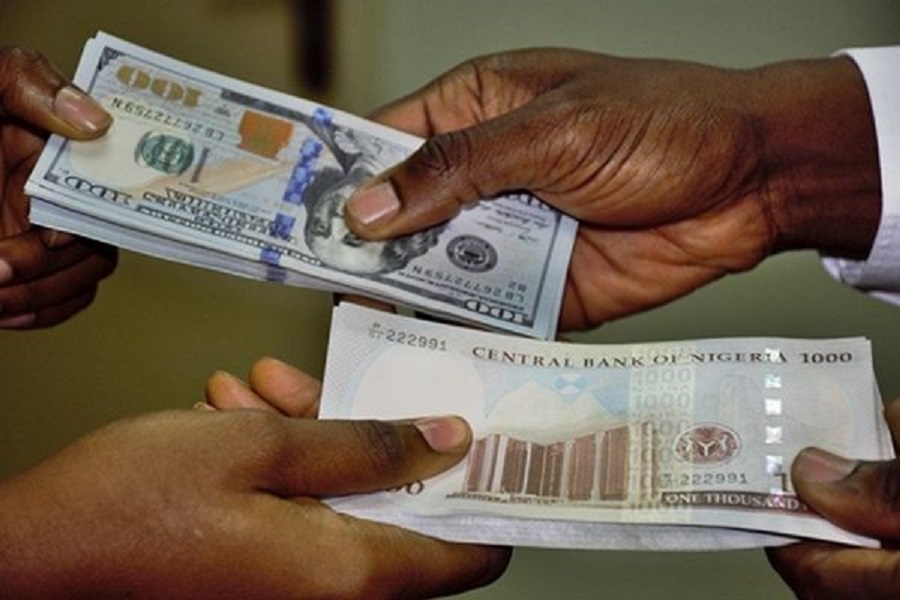
In a groundbreaking move, he launched a fully funded international scholarship programme, sending 100 talented indigenous students to study medicine in India and another 100 to pursue engineering, Artificial Intelligence, and robotics in China—investments that will yield doctors, innovators, and leaders for generations. As a compassionate philanthropist, Senator 313 executed a deliberate financial intervention, disbursing N143 million to 2,868 constituents, with each receiving at least N50,000 to alleviate hardships.
His transformative leadership has reshaped Niger East, converting dusty paths into roads of opportunity, vibrant markets into economic hubs, and ordinary lives into stories of empowerment. These indelible legacy projects mobilise communities and stand as proof of his unwavering service. Senator Mohammed Sani Musa embodies the true face of responsive democracy in Niger East—a leader who cannot be replaced. His signature achievements are not mere projects; they are determinants of continuity and a powerful antidote to any alternative.
As 2027 approaches, the people of Niger East will once again look to the man who did not wait for applause to serve, who sacrificed personal comfort for communal progress, who measured success not by titles but by transformed lives. They will remember the leader who personally invested millions to train youths, who funded foreign education for 200 of their children, who built hospitals and stadiums and roads—not for votes, but because it was right.
In Senator 313, they have found not just a representative, but a rare servant-leader whose actions have earned unbreakable trust. When the ballots are cast, that trust will speak louder than any campaign promise. The people know: true leadership is proven, not proclaimed. And in Niger East, only one name has proven it beyond doubt. There is indeed No Alternative to 313.
Mohammed wrote this piece from Suleja.