










































































































Some residents and business owners in parts of the Federal Capital Territory (FCT) have lamented the recent power outages lasting more than a week, saying the blackout has disrupted economic activities, damaged perishable goods and increased household expenses.
Among some of the affected areas include parts of Kubwa, Nyanya, Dutse and Gishiri, Jahi, Gwarinpa, Dawaki, Dei-dei, among others
The outage has particularly affected small businesses that depend on electricity to preserve goods and operate equipment, forcing many operators to rely on generators and inverters despite the rising cost of fuel.
In Kubwa, a resident of PW, Joel Osema, described electricity supply in the area as erratic, saying households had been forced to seek alternative sources of power.
“We are actually coping. The situation is very, very epileptic. But what do we do? We have to source other means of power generation,” he said.
Osema said the cost of running generators had placed additional financial pressure on residents, including those paying for premium electricity supply.
He said residents on Band A, who he noted were charged for 21 hours of electricity daily, sometimes remained without power until after 11 a.m.
“It is a terrible situation. Very, very terrible,” he said.
Business owners said the outage had also increased their operating costs and reduced their profits, with some unable to raise prices for fear of losing customers.
Abdulsalim Adeni, who operates a laundry business in Kubwa, said he had been spending more on diesel and petrol to meet customers’ demands.
“It’s a whole lot without light because we’re facing difficulties. The cost of fuel now is quite on the high side,” he said.
Adeni said increasing service charges to cover the additional expenses was difficult because customers could patronise businesses in areas with better electricity supply.
He added that the blackout had affected his working hours and raised security concerns, forcing him sometimes to work until midnight.
“Because of my own security, if it’s not because of this security man, I won’t work here in the night,” he said.
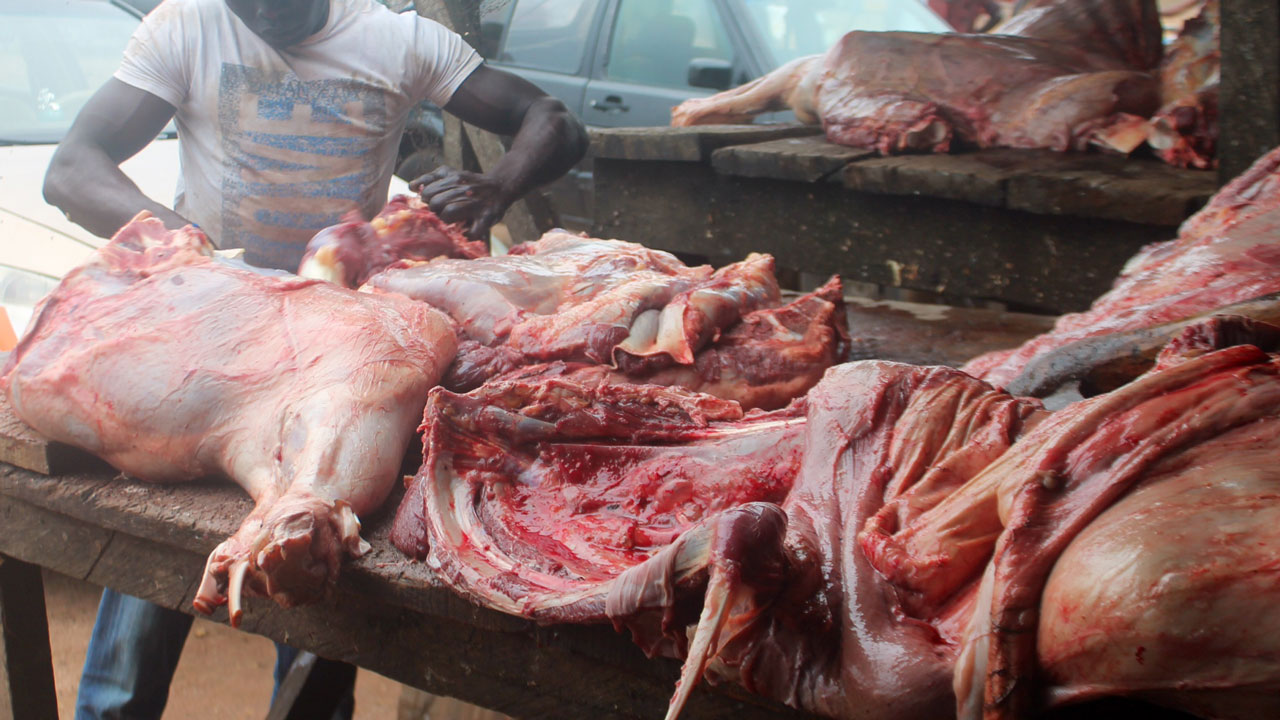
Similarly, Naomi John, a frozen fish seller in Kubwa, said the outage had made it difficult to preserve her stock, forcing her to spend more on alternative power sources.
She said the additional costs had reduced her profit, while increasing prices could drive customers to competitors.
Another frozen food dealer, Fatima Muhammed, at Dutse Market, said she lost fish and chicken worth more than N100,000 because of the blackout.
“All my market melted. Freezer is now empty. We buy light on Band A but we don’t see light. Even when they bring it, it stays for only a few hours,” she lamented.
In Kubwa, food vendor Eniola Aderenle said she lost food items she had purchased in bulk and stored in her refrigerator to last for a month.
“I have lost a lot of money; this is very frustrating and annoying,” she said.
Kunle Babalola, another frozen food dealer, said the loss of his stock had left him struggling to repay a bank loan taken to finance his business.
“I am so sad; I have lost so much money. The bank I took a loan from to stock my shop is after me; what am I supposed to do?” he said.
For Emeka Chukwu, a barber, relying on a generator has become increasingly unsustainable because of the cost of fuel.
He said he had been without electricity for days and now spent about N1,500 on fuel to provide haircuts for which he charged N2,000.
David Okon, who operates a business centre in Wuse 2, said he had relied on a generator for awhile, forcing him to increase his printing charges.
“I do printing and online registration. I have been on generator for one week. I now charge N100 for a page I used to charge N50.”
Residents also said the blackout had affected household activities, including access to water and children’s ability to study at night.
Becky Umukoro, a housewife and mother of five, said food stored in her refrigerator had gone bad, describing the situation as frustrating and disappointing.
Isabella Osahon called for urgent steps to address the country’s persistent electricity challenges.
Robert Are, Dupe Ogbede and Elizabeth Okoro, all residents of Kubwa, also called for the immediate restoration of power.
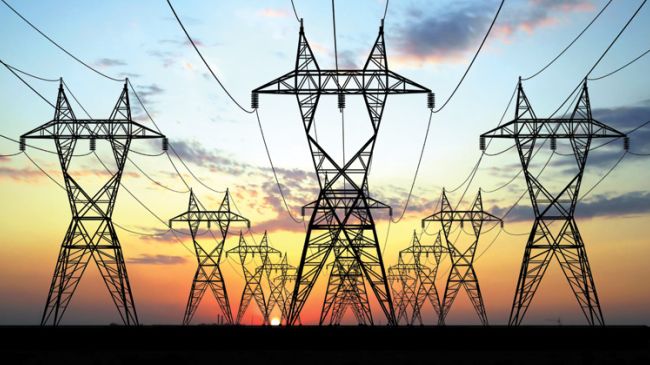
The Abuja Electricity Distribution Company (AEDC) had attributed the power outage affecting some parts of the Federal Capital Territory (FCT) and neighbouring areas to a technical fault on the 330kV Shiroro-Katampe transmission line.
The company disclosed this in a public announcement dated October 9, 2026, assuring affected customers that efforts were underway to restore electricity supply.
According to AEDC, the fault occurred on the transmission line belonging to the Transmission Company of Nigeria (TCN), disrupting electricity supply across several locations.
The affected areas include Garki, parts of Apo, Asokoro, Wuse Zones 1–7, Wuse 2, Wuye, Jabi, Utako, Jahi, Life Camp, Gwarinpa, Kubwa, Dawaki, Dutse, Dei-Dei, Suleja and their environs.
“The technical team of TCN is working to rectify the fault and restore grid stability,” the company stated.
AEDC further assured customers that electricity supply would be restored to all affected areas once the fault had been cleared
AEDC also said that a heavy storm on October 7 caused the collapse of three transmission towers along the Apo-Karu-Keffi-Akwanga line, affecting electricity supply to Masaka and Keffi axis.
____
Follow us on Twitter at @thesignalng
Copyright 2026 SIGNAL. Permission to use portions of this article is granted provided appropriate credits are given to www.signalng.com and other relevant sources.
Credit: Daily Trust