























































































Fresh questions are surrounding the implementation of the Abuja Municipal Area Council’s (AMAC) 2026 Agriculture and Natural Resources budget.
Concerns are mounting among farming communities over whether key agricultural interventions captured in the council’s budget document will actually reach their intended beneficiaries on the ground.
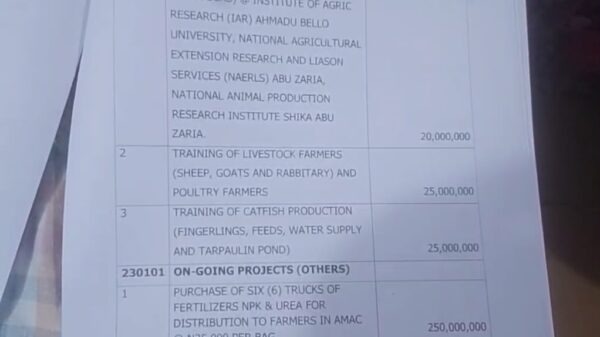
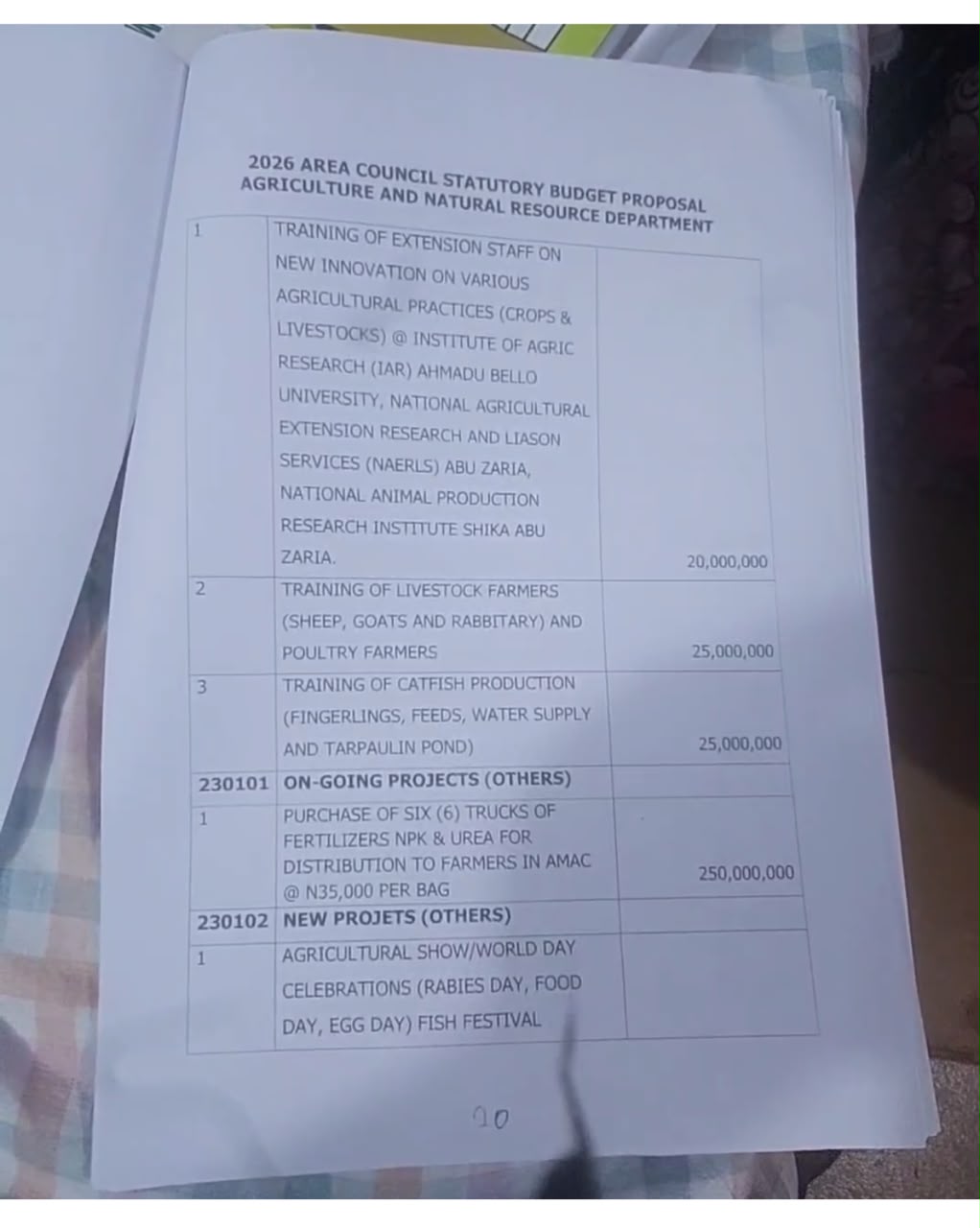
The 2026 budget proposal specifically captures ₦250 million for the procurement of six trucks of NPK and Urea fertilisers, earmarked for distribution to local AMAC farmers at a subsidized rate of ₦35,000 per bag.
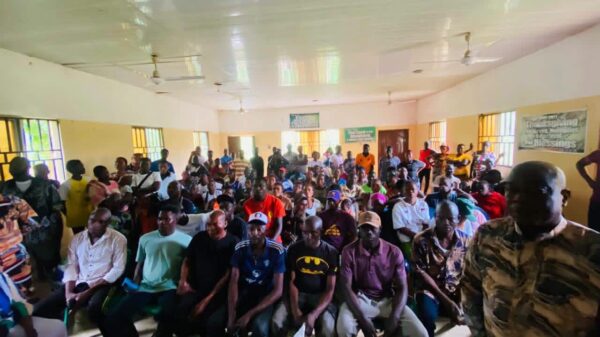
With the 2026 cropping season progressing, farmer collectives across Orozo, Karshi, Jiwa, and Kabusa are asking a straightforward question: when will these interventions be delivered, who are the verified beneficiaries, and where are the public procurement records?
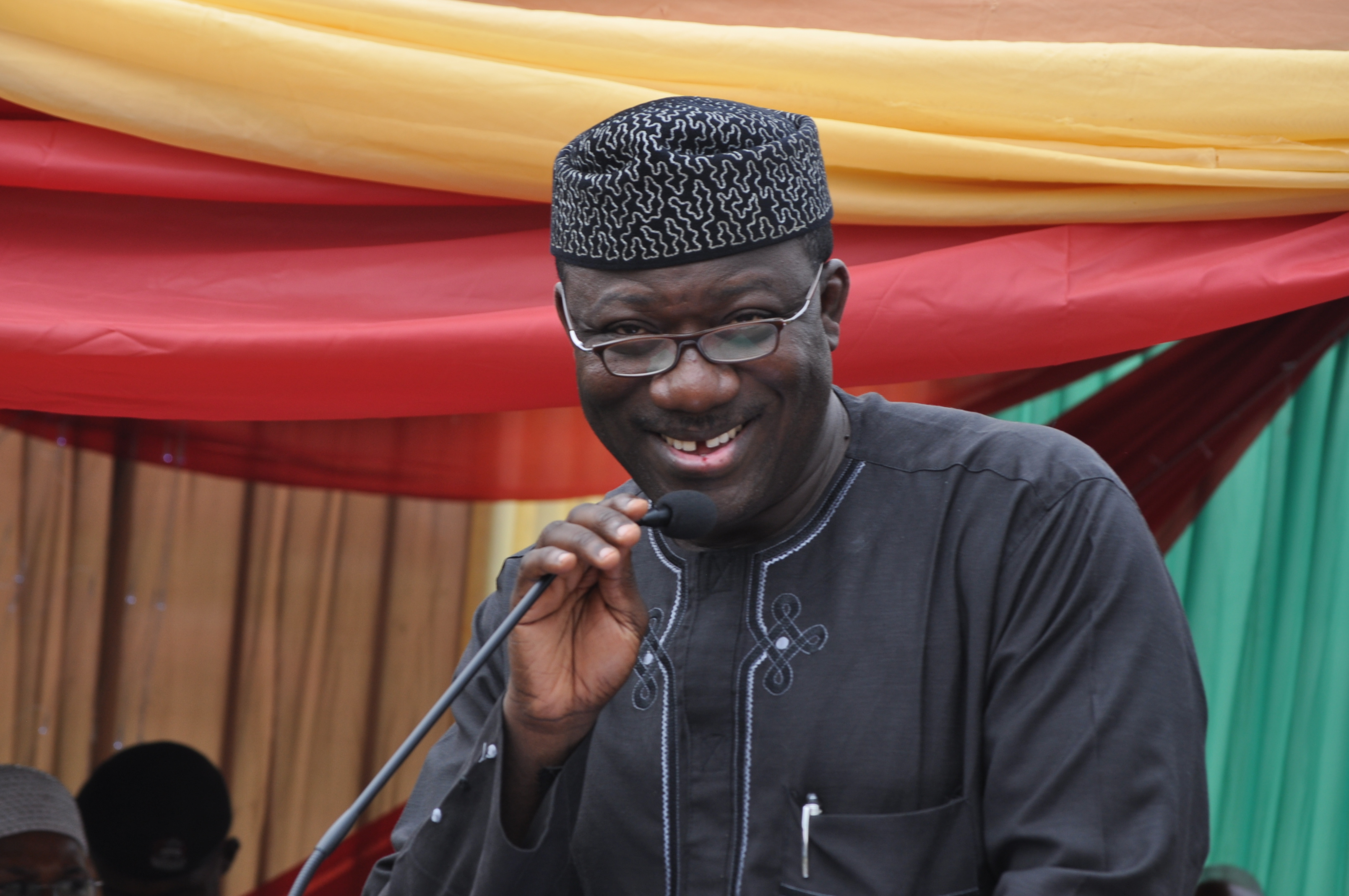
The questions carry heightened significance following the re-election of Executive Chairman Hon. Christopher Zakka Maikalangu in early 2026, during which he pledged to continue delivering dividends of democracy to municipal residents.
Farmers Demand Procurement Schedules and Paper Trails
The ₦250 million fertiliser provision has quickly become the most contentious line item because of its direct impact on smallholder livelihoods.
Local agricultural associations are calling on the council leadership to publish procurement details, contract winners, delivery records, beneficiary registers, and ward-by-ward distribution schedules.
”We heard about the ₦250 million on the news and in the budget reading, but not a single bag of Urea or NPK has landed in our ward. We are buying inputs at crippling market rates while the council’s subsidized ₦35,000 bags remain invisible.
Where is the fertiliser stored, who won the contract, and when will distribution begin?”
Representative, Orozo Farmers’ Cooperative Society
”In August 2024, the Chairman flagged off the distribution of fertiliser donated by the CBN across the 12 wards.
That was a start, but with a massive ₦250 million council budget line in 2026, we expect real scale, not bureaucratic silence. Hon. Maikalangu promised us democratic dividends—we need to see those promises in our fields.”
— Leader, Jiwa Smallholder Farmers’ Association
”It’s not just the fertiliser. What happened to the ₦80 million allocated for land acquisition in Waru/Karshi, or the ₦60 million for knapsack sprayers and irrigation? We are demanding that AMAC publish the full beneficiary lists and delivery records immediately.”
Spokesperson, FCT Coalition of Agricultural Non-State Actors
Audit Breakdown:
The 2026 Agricultural Interventions
Beyond the flagship fertiliser allocation, community groups and local watchdogs are demanding performance status reports on the following line items captured in the 2026 proposal:
Budget Line ItemProposed Allocation (₦)
4 Mahindra 6005 75HP Tractor Heads₦280,000,000
6 Trucks of NPK & Urea Fertilisers (Subsidized)₦250,000,000
10 Hectares Farmland Acquisition (Waru/Karshi)₦80,000,000
Knapsack Sprayers Distribution₦60,000,000
8 Trucks of Grains (Distribution & Transport)₦60,000,000
Irrigation Materials & Farm Drainage₦60,000,000
Agro-Chemicals, Improved Seeds & Seedlings₦55,000,000
AMAC Fish Hatchery Establishment₦50,000,000
AMAC Commercial Fish Farm Establishment₦50,000,000
Livestock Feeds & Feeds Support₦45,000,000
Livestock Medication, Vaccination & Equipment₦45,000,000
Machinery & Equipment Maintenance₦30,000,000
Women-in-Agriculture Empowerment & Skills₦30,000,000
Routine Animal Vaccination Campaigns₦30,000,000
6 Bajaj Motorcycles for Extension Services₦20,000,000
Digital Extension Tools (Redmi Pads, Computers, Printers)
Distinguishing Allocation from Cash Disbursement
Public finance observers point out that a budget provision alone does not constitute proof that funds have been released, disbursed, or misappropriated. Substantiating allegations of financial diversion requires verifiable documentation, such as treasury release vouchers, contract award letters, bank payment records, or official audit findings.
What the budget document confirms is that these agricultural line items represent official, proposed expenditure approved by the council.
With the cropping season underway, the onus rests on the AMAC administration under Executive Chairman Hon. Christopher Zakka Maikalangu to present an official implementation scorecard—detailing what has been funded, what has been procured, and when municipal farmers will receive their allocations.