





































































































More than 200 civil society organisations (CSOs) have thrown their weight behind the proposed amendment to the South South Development Commission (SSDC) Act, describing the move as a major step towards strengthening the commission’s capacity to address the region’s long-standing development challenges.
The organisations, under the umbrella of the South-South Transformation Coalition (SSTC), made their position known in a joint memorandum presented to the National Assembly following the House of Representatives’ consideration of a bill seeking to expand the commission’s statutory sources of funding.
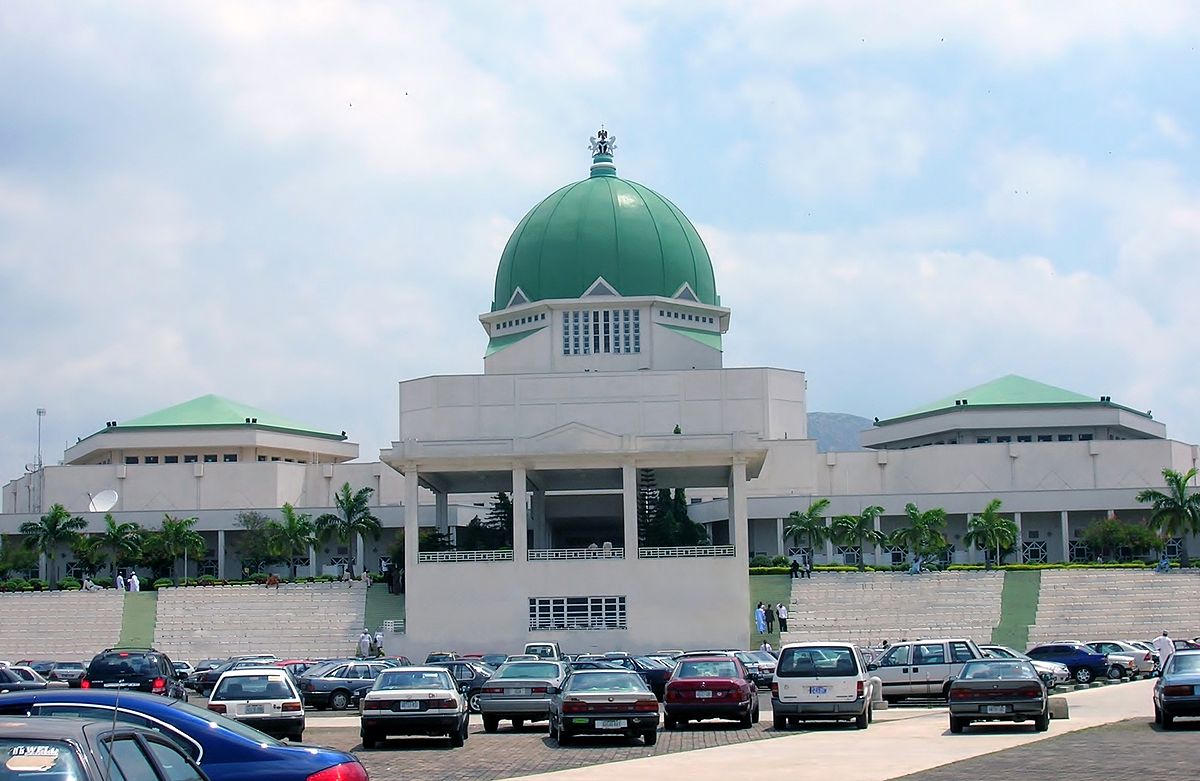
The House of Representatives, presided over by Speaker Tajudeen Abbas, on Wednesday commenced consideration of the amendment bill, which seeks to significantly broaden the SSDC’s funding framework by providing additional revenue from the Value Added Tax (VAT), the Ecological Fund, and statutory contributions from extractive and agricultural processing companies operating within the region.
The proposal was the subject of a public hearing organised by the House Committee on the South South Development Commission as part of the legislative process to amend the South South Development Commission (Establishment) Act, 2025.
The bill is designed to strengthen the financial foundation of the commission by creating additional statutory funding sources to enable it to effectively discharge its mandate of driving development across the six South-South states.
In a statement issued on Thursday, the National Coordinator of the South-South Transformation Coalition, John Johnson, said the proposed expansion of the commission’s funding base would accelerate infrastructure development and help address decades of environmental and socio-economic neglect in the oil-producing region.
He also commended members of the House of Representatives for supporting the bill, which scaled second reading on Wednesday.
«”As groups committed to the pursuit of common good, we are grateful to members of the 10th House led by the Speaker Tajudeen Abbas, PhD. We count on this support as we expect the bill to return soon for the third and final reading ahead of its transmission to the Senate for concurrence.»
«”The South-South, the goose laying the golden eggs, has over the years been exposed to environmental degradation caused by years of prolong oil exploration. Yet, there has been or nothing to show for it. So, it is a good thing that the present government not only established a Commission to address this neglect but it also now taking urgent steps to boost the financial base of that commission. This is truly a step in the right direction.”»
Johnson also praised the House Committee on the South South Development Commission for initiating the amendment, urging lawmakers to expedite legislative action to ensure the bill is transmitted to the President for assent without delay.
«”We cannot thank the revered 10th House enough but like Oliver Twist, we urge the lawmakers to quicken action on the legislation so that soon, it will be on the desk of Mr President for assent.”»
The South South Development Commission was established through an Act of the National Assembly in 2025 to coordinate and implement intervention programmes across Akwa Ibom, Bayelsa, Cross River, Delta, Edo and Rivers states.
Its mandate includes tackling persistent developmental deficits in the region, particularly environmental degradation arising from decades of oil exploration, inadequate infrastructure, unemployment, poverty and other socio-economic challenges.
Supporters of the amendment argue that while the establishment of the commission marked a significant milestone in addressing the developmental needs of the South-South, its ability to deliver on its mandate depends largely on a sustainable and predictable funding structure.
If enacted, the amendment would align the SSDC’s funding framework with those of other regional development commissions by broadening its statutory revenue sources and enhancing its capacity to finance infrastructure, environmental remediation and other critical intervention programmes across the oil-rich region.