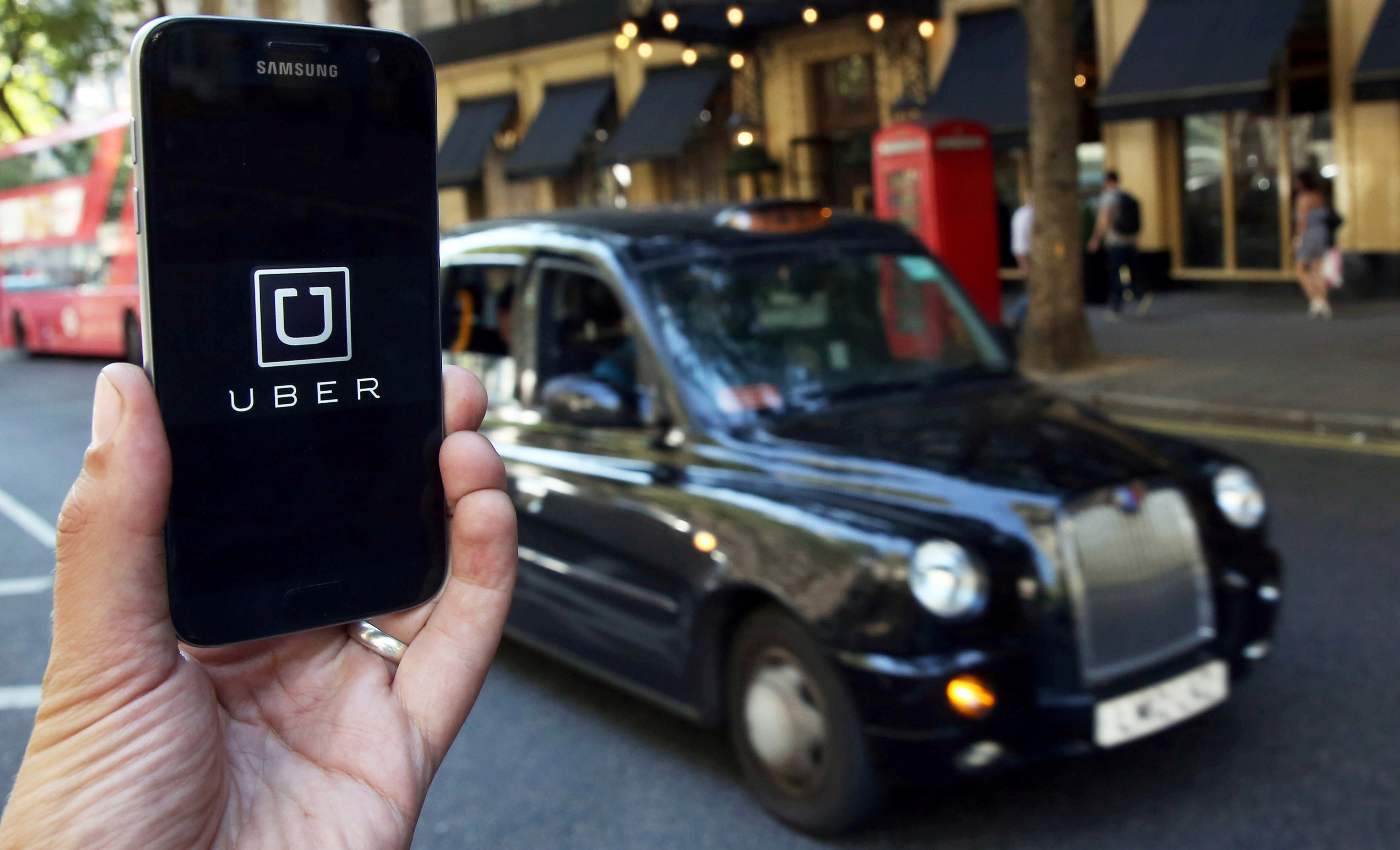





















































































Ride-hailing company Uber has exited the Nigerian market, shutting down its operations in the country effective Wednesday, September 2, 2026.
The company, which launched in Lagos in 2014, announced the decision in a statement to customers, citing a thorough review of its business.
Checks on the mobile app of the company indicated that the app is no longer functioning in Nigeria following the decision.
“We are writing to share some difficult news. After a thorough review of our business, we have made the tough decision to wind down our operations in Nigeria, effective 2 September 2026,” the company said.
Uber thanked Nigerians for using its platform over the years, saying it had been a privilege to connect customers with independent transportation providers.
“Since we first launched in Lagos in 2014, it has been an absolute privilege to be a part of your daily life connecting you with independent transportation providers,” the company said.
The company acknowledged that its departure could disrupt the routines of riders and apologised for the inconvenience.
The exit comes as Uber announced a broader restructuring of its global operations, including plans to eliminate about 3,300 positions.
According to Chief Executive Officer Dara Khosrowshahi, the job cuts are primarily focused on management and coordination roles as the company moves to simplify its organisational structure.
“Today, we’re making a number of significant organizational changes across Uber. We are removing layers, simplifying team structures, refining our global location strategy, and focusing our people and investments against the biggest opportunities ahead of us,” Khosrowshahi said in a memo to employees.
He said the restructuring would reduce Uber’s workforce by about 10%, with affected employees already notified except in countries where local procedures are required.
Khosrowshahi said the decision was not based on employees’ individual contributions but was driven by the company’s changing organisational needs following years of rapid expansion.
Over the past five years, he said, Uber’s revenue has nearly tripled as the company expanded its products, businesses and global customer base.
However, the growth also created additional layers of management, fragmented responsibilities and more complex coordination structures, he said.
Khosrowshahi said the restructuring was intended to make Uber “simpler and faster” while creating more capacity to invest in growth, innovation, drivers, couriers, merchants and autonomous technology.
The latest layoffs follow earlier job cuts at the company, including reductions in customer service and human resources roles.
Uber’s departure from Nigeria marks the end of its 12-year presence in the country, where its ride-hailing service became one of the major options for urban transportation, particularly in Lagos.
At its peak in Nigeria, the firm has over 5000 driver-partners and used to be the dominant ride-hailing platform in the country with several initiatives and campaigns which made it the choice of many upwardly mobile and internet savvy Nigerians.
However, the advent of a competitor in Bolt saw the market share of Uber declining in an evolving ride-hailing ecosystem.
Checks by Daily Trust showed that in recent times the firm’s market share had tumbled considerably with most of its driver-partners migrating into another platform including InDrive.
The ride-hailing space was further weakened by the advent of state-sponsored platforms like LagRide which has also become a dominant player especially in Lagos, Nigeria’s commercial capital.
A driver who once worked for the platform, Adeniyi Teslim told our correspondent the platform was already becoming elitist after Bolt joined the space.
With many users of the ride-hailing system joining its competition, he said, its market share started dwindling.
It was further gathered that the company has not had a country manager since the exit of its former country manager, Tope Akinwumi.
A source within the space in a chat with our correspondent said, “In recent times, the company has been winding down operations gradually, hence I don’t find it surprising.”
…Competition, cost of doing business maybe responsible – Expert
A transportation expert, Prof. Ibe Callistus said competition and the cost of doing business may have triggered the exit.
He said the increase in fuel prices, which is a major operating cost, may have shrunk their revenue and profit.
However, he stated that their exit might not affect the passengers and the drivers under them as other competitors would have to expand to capture the market left by Uber.
“Those working under them would still continue to operate but the fact that they are exiting is a minus. Because I am sure there are Nigerians working for them,” he said.
____
Follow us on Twitter at @thesignalng
Copyright 2026 SIGNAL. Permission to use portions of this article is granted provided appropriate credits are given to www.signalng.com and other relevant sources.